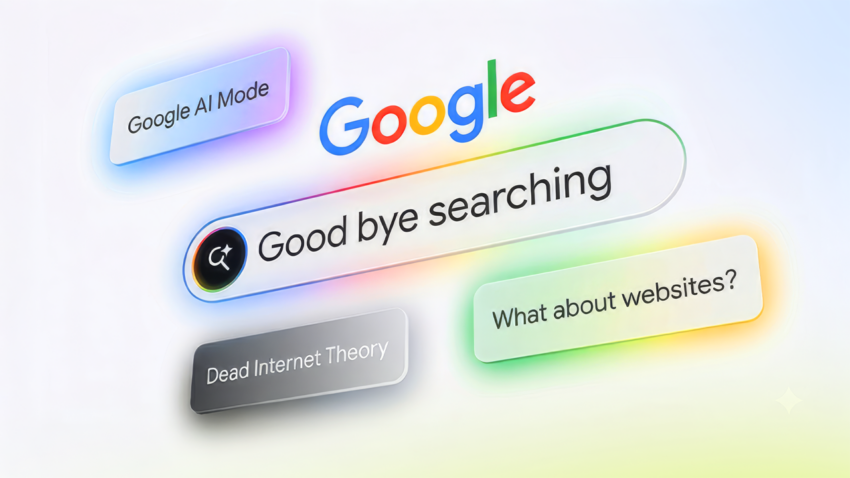
For decades, the internet has been our primary gateway to knowledge and information. However, with Google’s recent revolution at I/O 2026, the way we interact with the web is about to undergo a profound transformation. This seismic shift marks the end of the traditional search engine era and ushers in a new age of AI-driven productivity.
Revolutionizing Search: From a “Search Engine” to an “Action Engine”
Google’s new AI agents are equipped with multi-step reasoning and automated planning capabilities, allowing users to ask complex questions and receive actionable responses. For instance, instead of searching for “best gym routines,” users can ask the AI to build a custom routine, cross-reference it with their schedule, and generate a daily checklist. This shift enables users to accomplish tasks more efficiently, while also opening up new possibilities for creators and publishers.
The interface now pulls together videos, summaries, and actionable buttons right on the main page, stripping away the clutter of traditional result pages and delivering a hyper-focused user experience. This evolution is a testament to the power of AI and its potential to revolutionize the way we interact with the web.
Compatibility and Supported Versions
Google’s new AI-powered search engine is designed to work seamlessly with the latest versions of the Google search app, including the most recent updates for Android and iOS. This means that users can enjoy the benefits of this new technology on their devices, regardless of the operating system they use.
Frequently Asked Questions (FAQ)
What are the benefits of Google's new AI-powered search engine?
Rewritten unique answer: Google’s new AI-powered search engine offers a range of benefits, including the ability to perform complex tasks and receive actionable responses, as well as a hyper-focused user experience with videos, summaries, and actionable buttons.
How will this change impact creators and publishers?
Rewritten unique answer: The shift to a new AI-powered search engine will require creators and publishers to pivot to deeply personal, highly opinionated, and community-driven content that AI can’t replicate, in order to thrive in this new era.
How can I update my search app to use Google's new AI-powered search engine?
Rewritten unique answer: You can update your search app to use Google’s new AI-powered search engine by checking for the latest updates on the Google Play Store or App Store.
How to install this theme?
First, download the .hwt file and move it to the Huawei/Themes folder, then apply it via the Themes app. Click here to learn in detail.
As we step into this new era, it’s essential to recognize the opportunities and challenges that come with it. By embracing the power of AI and focusing on creating high-quality, human-driven content, we can build a brighter future for the web and all its users.